If you only have a day and want the history and culture side of Solo, group places by area rather than working through a long list. The palaces, the batik museum and Pasar Gede sit along a close corridor, so one day is realistic without spending it stuck in traffic. This guide covers the main sites, a sample route, and mistakes that make a trip tiring.
For the wider picture, including nature and food, see our list of tempat wisata di Solo.
Quick summary: pick by interest
| Interest | Good fit | Rough time |
|---|---|---|
| Javanese royal life | Kasunanan Palace, Mangkunegaran Palace | 1–1.5 hours each |
| Batik | Danar Hadi Batik Museum, Laweyan batik village | 1–2 hours |
| Heirlooms and antiques | Radya Pustaka Museum, Keris Nusantara Museum | 1 hour each |
| Colonial architecture | Pasar Gede, colonial buildings along Slamet Riyadi, a former sugar factory | 1–2 hours |
A note on accuracy: ticket prices and opening hours for these places differ between sources and change over time, so we deliberately give no exact figures. Check official accounts or call the day before.
1. Kasunanan Surakarta Palace (Keraton)
This is still the center of Kasunanan tradition, so it feels more alive than a plain museum. You can see Javanese architecture, parts of the museum, and, at scheduled times, the palace guard performance held on Saturday afternoons. Tickets typically cover only certain museum areas, and modest dress is expected. Don't expect access to every building.
Tip: go in the morning, when it is cooler and quieter. A local guide on site helps with context.
2. Mangkunegaran Palace (Pura)
Mangkunegaran is known for being tidier and easier to visit. Its large pendopo is one of Solo's architectural icons, and the collection helps explain the link between court culture and the industrial development of the region, including the sugar mills around Solo. That makes it a good primer before visiting a surviving sugar factory.
3. Danar Hadi Batik Museum
On Jalan Slamet Riyadi, the museum holds roughly a thousand batik cloths, from antique to contemporary. It is the best place to learn how Solo motifs differ from other regions and why a single cloth can be so valuable. Visits are usually guided, so allow one to two hours.
To see batik being made, continue to Kampung Batik Laweyan, an artisan district with old merchant houses.
4. Radya Pustaka and Keris Nusantara museums
Radya Pustaka was built in 1890 and is among Indonesia's oldest museums, in the Sriwedari area. Its manuscripts and heirlooms show the roots of Javanese culture. Nearby, the Keris Nusantara Museum displays kris from many regions. The kris is recognized by UNESCO as world heritage, and the museum helps you read the meaning behind blade shapes and patterns.
Entry to both is reported to be cheap, but figures vary by source. Check closing days too, since many Indonesian museums close on Mondays.
5. Pasar Gede and its surroundings
Pasar Gede is a traditional market with strong colonial architecture. Come for the building, then try market snacks. It is the most relaxed way to "taste" history: old structures, living market culture. Nearby is a Chinatown area and Tien Kok Sie temple, showing Solo's Chinese-Indonesian layer.
6. Rasamadu Heritage, Kartasura
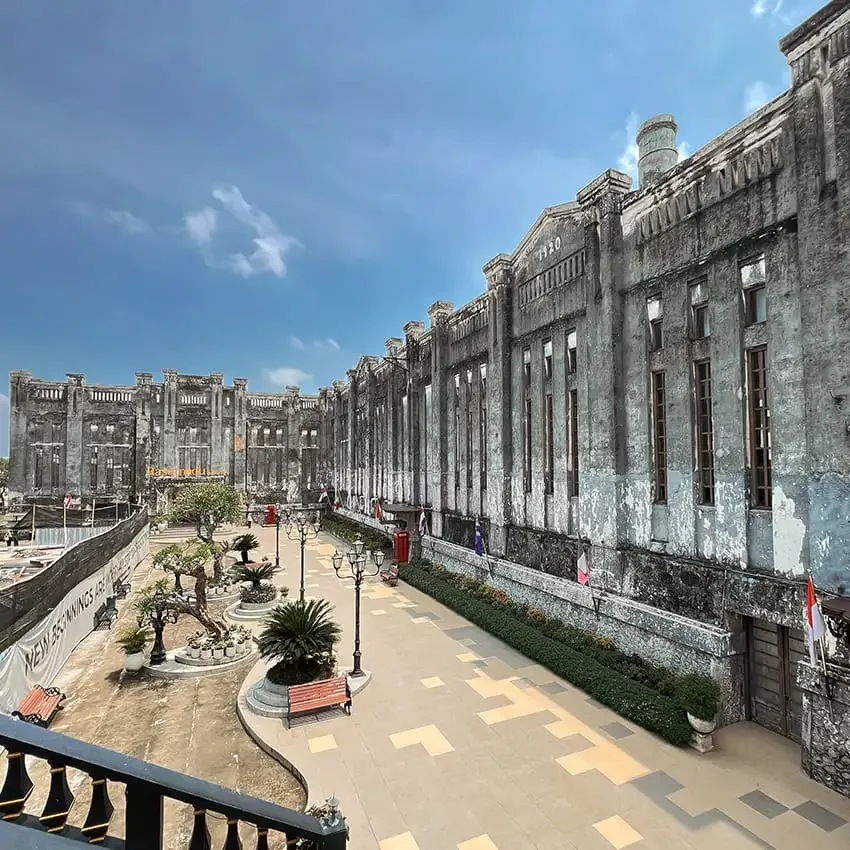
Unlike the sites above, Rasamadu Heritage is in Kartasura, outside the city center. It is a former colonial-era sugar factory now used as a tourism, culture and recreation destination. Its value here is the industrial colonial architecture you won't find in palaces or museums. It opens daily, and from 08.00 WIB on weekends.
It works well to open or close a day, especially with family: children can tire quickly in museums, and open areas give more freedom. Read the story behind Rasamadu Heritage for the history. Note that Rasamadu Heritage in Kartasura is not "The Heritage Palace" in Sukoharjo, which is a different venue.
Sample one-day route
- 08.00–09.30 Kasunanan Palace (quieter in the morning).
- 09.30–11.00 Mangkunegaran Palace.
- 11.00–12.30 Danar Hadi Batik Museum, then lunch near Slamet Riyadi.
- 13.30–15.00 Radya Pustaka or the Keris Museum (pick one if time is short).
- 15.30–17.00 Rasamadu Heritage in Kartasura, or Pasar Gede if you prefer the city.
The order can be reversed once you have checked museum closing days. With two days, split them: palaces and museums first, then batik, market and Kartasura. For evening ideas, see night activities in Solo.
Common mistakes
- Too many museums. Three in a row means information overload. Pick two or three that match your interest.
- Dressing too casually at the palace. Wear modest clothes and comfortable shoes.
- Not checking closing days. Some museums close on certain days, and palace visiting hours can change for ceremonies.
- Starting late. Midday in Solo is hot; outdoor visits are better in the morning or late afternoon.
FAQ — History and culture tourism in Solo
How long does a history trip in Solo take? One full day covers three to five sites in the center. Two days is more comfortable if you add batik, the market and areas outside town such as Kartasura.
Are palace and museum tickets expensive? Generally affordable, but quoted figures differ, so confirm with the venue or its official account before going.
Which is best for children? The batik museum with a short tour, or open spaces like Rasamadu Heritage, are usually easier for kids than heirloom museums.
Is Rasamadu Heritage open every day? Yes, daily, and from 08.00 WIB on weekends. It is located in Kartasura.